

Wise Roots, Future Fruits
Designed for mentor teachers and principals of Islamic schools, this website is a hub for educational resources. Here, you can explore our publications across key categories like Experience Documentation, School Leadership, Moral Ethics in school, Parent & Educator Improvement, and the Mentor Teacher System.
Discover our past training courses in the Events section, and learn about our mission through our Articles and About Us pages.
Note: Please use your browser’s auto-translation tools to view content in other languages.
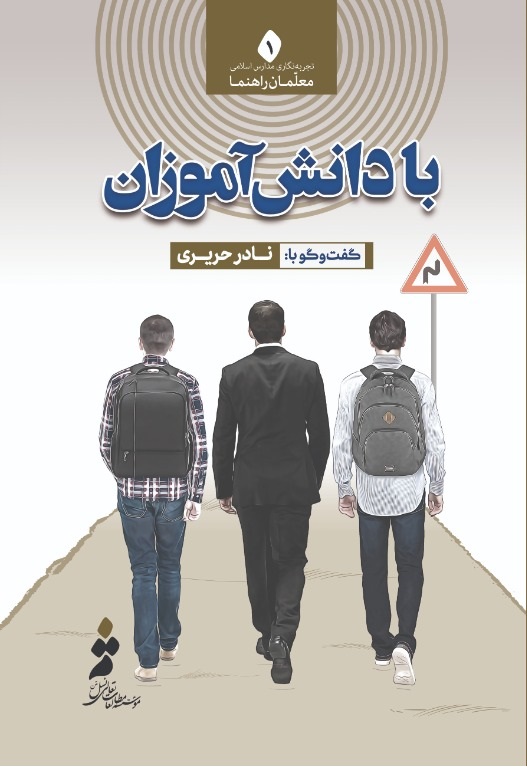
Being with students
The book "Being with students", developed from in-depth interviews with Nader Hariri, a seasoned mentor teacher at Alavi High School, serves as a practical and experience-based guide for educators in Islamic schools. Focusing on the pivotal role of the mentor teacher, it offers an operational model for transitioning from mere instruction to holistic training.
In this training model, rather than acting as a strict disciplinarian or administrator, the mentor teacher employs the strategy of continuity of care to remain with a specific group of students for several consecutive years. By living with the children and establishing deep emotional bonds, the teacher closely monitors the development of their character and religious identity.
By illustrating the nuances of interacting with adolescents, avoiding fault-finding, and emphasizing the necessity of aligning home and school values, this work teaches educators how to rise above subject teaching to become the center of gravity of training at school and a secure anchor for their students.
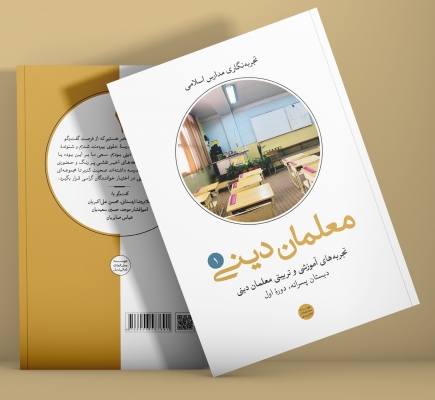
Islamic Moral Teachers: Educational and Training Experiences
This book is the first volume of the series "Islamic Moral Teachers: Educational and Training Experiences". It is a compilation of the collective experiences and insights of five Islamic moral teachers at Alavi Elementary School, serving as a practical and inspiring guide for educators in Islamic schools. By focusing on the field experiences of seasoned educators, it illustrates the subtle yet vital distinction between religious education (information transfer) and religious training (creating emotional bonds).
Emphasizing that elementary school children lack a complete abstract understanding of complex concepts, this work advises teachers to utilize the language of affection, storytelling, and play to nurture the God-seeking nature of students, rather than relying on mere verbal arguments. Furthermore, it recommends teaching religious rulings, such as prayer and ablution, not as rigid jurisprudential laws, but within the framework of behavior, discipline, and life etiquette.
The ultimate message of the book is that during childhood, a teacher’s behavior and character serve as a practical model that is far more impactful than their words. Religion should take root in the child’s soul through indirect atmosphere-building and the creation of sweet memories, rather than through imposition.
Introduction of the MATN Specialized AI Assistants
The MATN Institute proudly presents its dedicated artificial intelligence assistants, developed at the intersection of educational authenticity and advanced technology. These specialized AI assistants are designed to support school administrators, mentor teachers, and religious educators by providing fast, reliable, and continuous responses to practical educational and formative challenges.
Trained on the content of more than 50 specialized books, enriched by the lived knowledge of over 30 enduring figures in education, and grounded in the intellectual framework of leading Islamic education scholars, these assistants represent the result of 15 years of continuous effort by MATN in documenting real-world educational experiences. They translate decades of school-based practice into actionable, field-tested guidance and are built to help educators manage diverse educational dimensions with clarity, confidence, and real-world relevance.
Summary of Educational Programs & Workshops
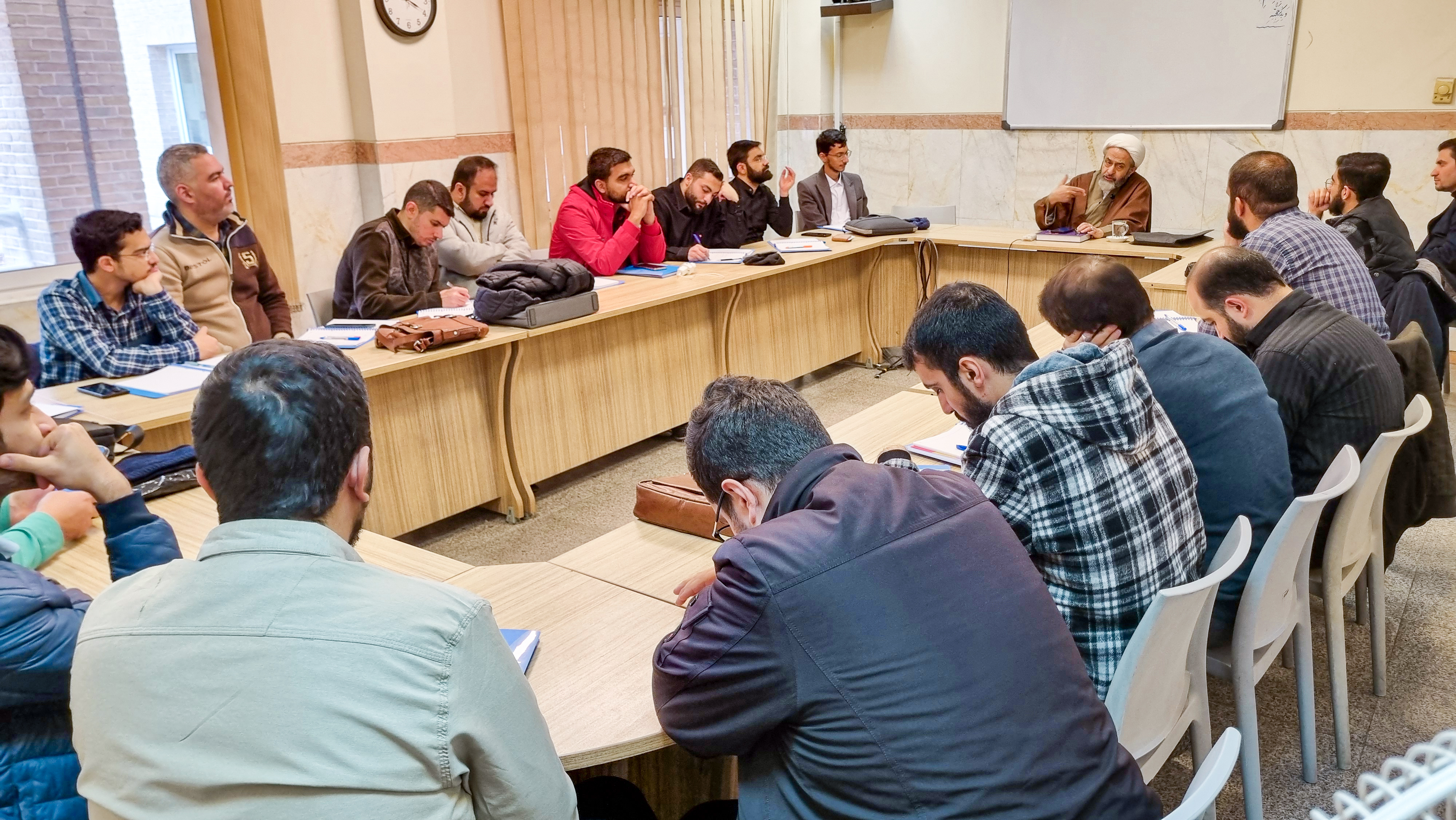
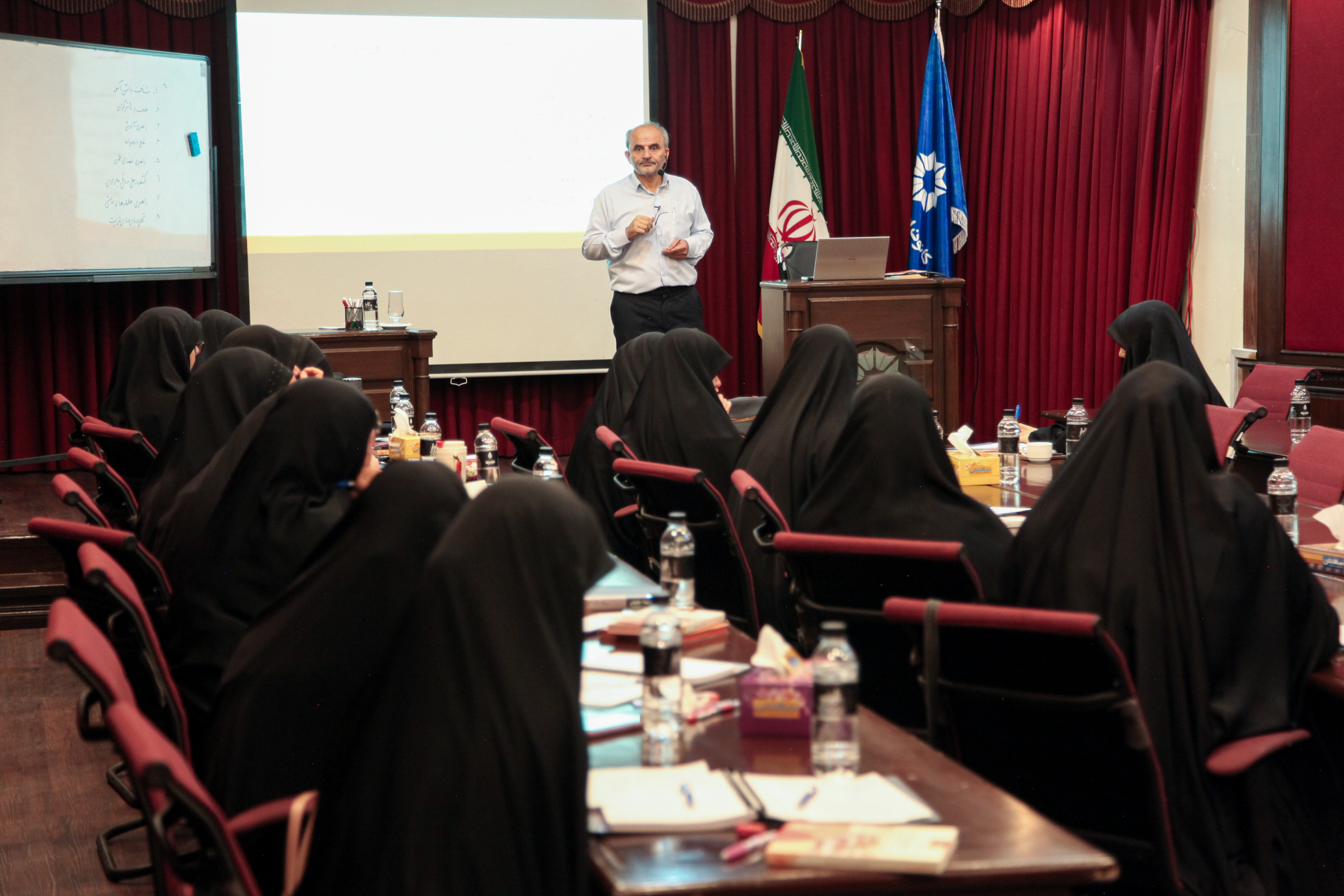
Leveraging 70 years of documented experience from Islamic schools, MATN transforms raw data into professional insight. This is best exemplified by our flagship 'Basic Mentor Teacher Skills Course,' which has successfully trained over 300 mentor teachers across 12 cohorts, totaling more than 50,000 man-hours of instruction.
Our educational ecosystem extends beyond this core curriculum to meet specific needs. We have held 7 series of monthly sessions specifically for female principals, focusing on strategic management and HR. Additionally, to keep our network vibrant, we have hosted 11 peer gatherings for mentor-teachers and conducted over 20 half-day workshops alongside multi-month tracks to ensure continuous professional growth.



Introduction Of MATN Institute
MATN Institute was founded in 2011 as a specialized center for Islamic School Management. It gathers, documents, enriches and shares six decades of tried-and-tested knowledge developed by mentor teachers, principals, and educators in Iran’s leading Islamic schools. Acting as a bridge between experience and theory, the Institute offers this living wisdom to new school leaders while insisting on three core ideas: authenticity, the primacy of Training over mere information transfer, and a systemic view that treats the school as a single ecosystem of students, families, staff, and processes.
Our mission is to collect the most successful methods of these educators, analyze them, and reshape them to lift both learning and training in Islamic schools. Through specialized books, concise educational content and workshops, MATN shares this experience, helping ordinary teachers become transformative educators who turn everyday challenges into lasting improvements in school culture.